What steroids are made of?
Jul 13 2020
Steroids can be determined by their chemical structure. We see that steroids are organic compounds that contain four rings of carbon atoms. In particular, we see that all steroids have three 6-sided carbon rings and one 5-sided carbon ring.
However, different steroids have different functional groups. Recall that functional groups are groups of atoms that we often find together that have specific behavior. When we attach different functional groups to the main steroid rings, we get steroids with different functions.
So steroids are organic compounds, and we know that organic compounds must contain carbon. Therefore, organic compounds are things like carbohydrates, proteins and lipids. In fact, steroids are divided into a lipid group. This is somewhat interesting because we see that the basic structure of the steroid is slightly different from the structure of other lipids, such as triglycerides or phospholipids. However, steroids still fit this category because, like other fats, steroids are composed primarily of carbon and hydrogen atoms and are insoluble in water.
Many types of steroids are found in nature in various hormones and vitamins.
Drugs known as "anabolic steroids" are produced in laboratories and have the same chemical structure as the steroids found in testosterone in the male sex hormone. The muscular (anabolic) and male (androgenic) effects of these drugs make them attractive to athletes and bodybuilders.
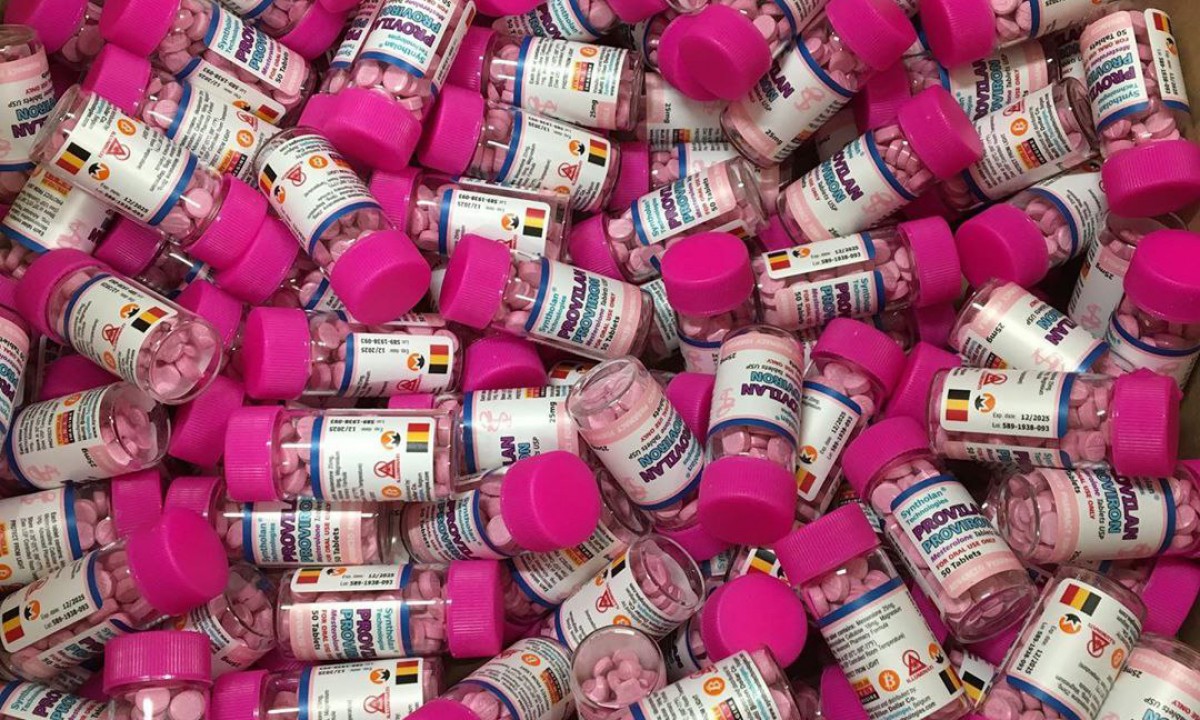
Anabolic steroids are available in the form of tablets, capsules, injection and cream or gel for rubbing into the skin. Weightlifters and bodybuilders who use steroids often take doses 100 times the doses used to treat diseases.
Important facts:
Steroids are lipids because they are hydrophobic and insoluble in water, but they are not like lipids because they have a structure consisting of four condensed rings.
Cholesterol is the most common steroid and precursor to vitamin D, testosterone, estrogen, progesterone, aldosterone, cortisol and bile salts.
Cholesterol is a component of the phospholipid bilayer and plays a role in the structure and function of membranes.
Steroids are in the brain and alter the electrical activity in the brain.
Since they can suppress receptors that transmit messages from neurotransmitters, steroids are often used in anesthetics.



 Русский
  中文
中文  Deutsch
  Español
  Français
  Italiano
  اللغة العربية
  Suomi
Suomi  Nederlands
  Svenska
  Bokmål
  Português PT
  Português BR
  Dansk
Dansk  हिन्दी